Authored By-Odom Hyldgaard
As the advancements of vision correction technology keep on evolve, patients are presented with additional options than ever before. Among these options, EVO ICL, or the Implantable Collamer Lens, is recognized as a viable alternative for those looking for a fix to their vision issues. If you're experiencing high myopia, astigmatism, or simply weary of glasses and contacts, understanding all aspects of EVO ICL can help you reach an informed decision about your eye care.
In this comprehensive guide, we will explore the details of EVO ICL, covering its benefits, risks, and how it compares to the well-known LASIK procedure. By taking a patient-centric approach, we aim to satisfy your concerns and questions, ensuring you have a clear understanding of what to expect at each stage of the EVO ICL surgery. Featuring insights from experienced surgeons, real patient experiences, and an exploration of costs and recovery timelines, you will be equipped with the information needed to decide whether EVO ICL is the best choice for your vision correction requirements.
Summary of EVO ICL
The EVO ICL procedure, or the Implantable Collamer Lens, is a revolutionary vision improvement procedure designed to correct a variety of refractive errors, including myopia and astigmatism. Unlike traditional LASIK, which modifies the cornea, EVO ICL features surgically inserting a biocompatible lens within the ocular structure. This advanced lens functions with the normal structure of the eye to deliver clear vision. Due to its unique design, EVO ICL is notably beneficial for individuals with slender corneas or high degrees of myopia, who may not be suitable candidates for LASIK.
The procedure has gained traction due to its numerous benefits. One major advantage of EVO ICL is that it does not modify the form of the cornea, making it a flexible option if vision changes occur later in life. Patients often experience fast visual recovery, with many achieving excellent vision or better shortly after the procedure. Additionally, the EVO ICL lens offers outstanding optical quality and can offer an improved visual experience, including enhanced night vision compared to other methods.
As with any medical procedure, there are potential risks associated with EVO ICL. Potential side effects can encompass glare, halos, or other visual disturbances, though these are generally less common. Most patients report high satisfaction rates following the procedure. With careful evaluation and selection of candidates, EVO ICL presents a compelling alternative for those seeking lasting vision correction, particularly for those who have had difficulties with traditional options like LASIK or PRK.
EVO ICL vs. LASIK
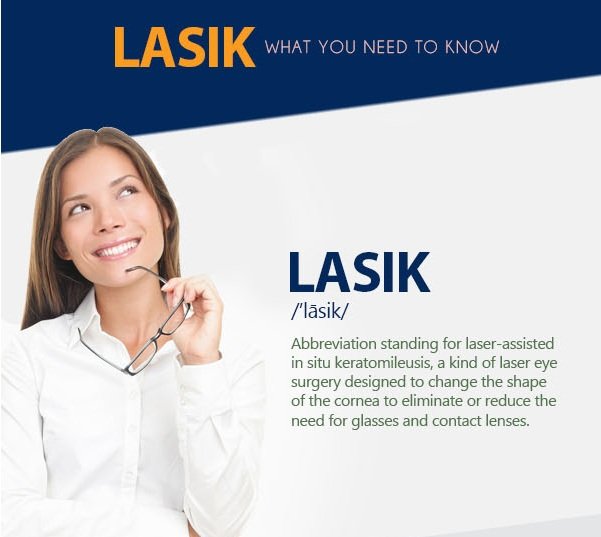
When considering vision correction options, both EVO ICL and Laser-Assisted In Situ Keratomileusis are widely used choices, but they cater to distinct requirements. LASIK involves reshaping the cornea using a laser, which can be a great option for those with light to average nearsightedness, farsightedness, or astigmatism. However, this procedure can pose limitations for individuals with slim corneas, severe refractive errors, or those who have dry eyes, making EVO ICL a better alternative in such cases.
EVO Implantable Collamer Lens, on the other hand, involves implating a phakic lens between the iris and the natural lens of the eye, which can successfully correct severe myopia and astigmatism without altering the cornea. This method preserves the natural structure of the eye and often results in instant and sharp vision. Patients who are not candidates for Laser-Assisted In Situ Keratomileusis due to the thickness of their corneas or other factors may find that EVO Implantable Collamer Lens provides a feasible and effective solution for their vision correction needs.
Ultimately, the choice between EVO ICL and LASIK depends on personal situations, including the severity of vision issues, lifestyle, and personal preferences. Consulting with a trained eye care professional can help determine which procedure aligns best with your vision goals, ensuring you receive the most suitable and effective treatment for your eyes.
EVO Implantable Collamer Lens Procedure and Recovery
The EVO Implantable Collamer Lens procedure begins with a comprehensive consultation where the surgeon assesses your eye health and visual requirements. Once deemed a qualified candidate, the surgery is typically performed on an outpatient basis. During the surgery, the surgeon makes a tiny incision on the side of the eye surface to implant the EVO lens behind the iris and in front of the eye's natural lens. The entire surgery usually lasts about 15-30 minutes per eye, and many patients report minimal discomfort during the operation.
After the surgery, patients are observed for a short period before going back home. Recovery entails a few essential care steps, including using prescribed eye drops to aid healing and wearing safety eyewear as directed. https://mgyb.co/s/DFKUA improved vision almost immediately, but it may take a few weeks for vision to stabilize completely. It's essential to attend all follow-up meetings to ensure proper healing and address any concerns that may occur.
In general, the recovery timeline for EVO ICL varies by individual, but most can return to regular activities within a few weeks. https://www.medgadget.com/2021/05/laser-vision-correction-market-2021-predominantly-boosted-with-cagr-of-7-9-by-the-rising-global-economy-cmi-revealing-industry-analysis-to-2027.html are advised to avoid intense exercise and activities that may strain the eyes during the initial recovery phase. Understanding and adhering to post-operative care is critical for achieving optimal results, and following your surgeon's guidelines will significantly improve your healing process.
Pricing and Long-Term Results
The price of EVO ICL can vary significantly based on elements such as the surgeon’s expertise, the technology used, and the location of the clinic. Generally, patients can foresee to pay between $5,000 to 7K dollars per eye. While this may seem more costly than LASIK, it's crucial to consider the long-term benefits and potential savings from reduced dependence on glasses or contact lenses. In addition, financing options are often available, making this treatment more accessible for patients.
In terms of long-term outcomes, studies show that EVO ICL is successful for correcting vision, especially for patients with severe nearsightedness or irregular corneas. Many patients report stable vision improvement for years after the procedure. Unlike LASIK, which modifies the outer eye surface, the ICL is implanted inside the eye, maintaining corneal structure and reducing the risk of complications related to dry eyes, which is a frequent concern among LASIK patients. This aspect makes EVO ICL an attractive option for those who may have thin corneas or existing dry eye issues.
Overall, while the upfront price of EVO ICL may be higher, the potential for long-lasting benefits and enhanced quality of life makes it a valuable investment for a lot of patients. Comprehending both the cost factors and the positive long-term outcomes can help individuals make a more educated choice about their eye surgery options.